
SIEM monitoring in Malaysia, with analysts behind the alerts.
Datasafe collects and correlates logs from your infrastructure, tunes the rules that decide what becomes an alert, and puts a 24/7 analyst team behind the output, so the SIEM produces decisions, not noise.
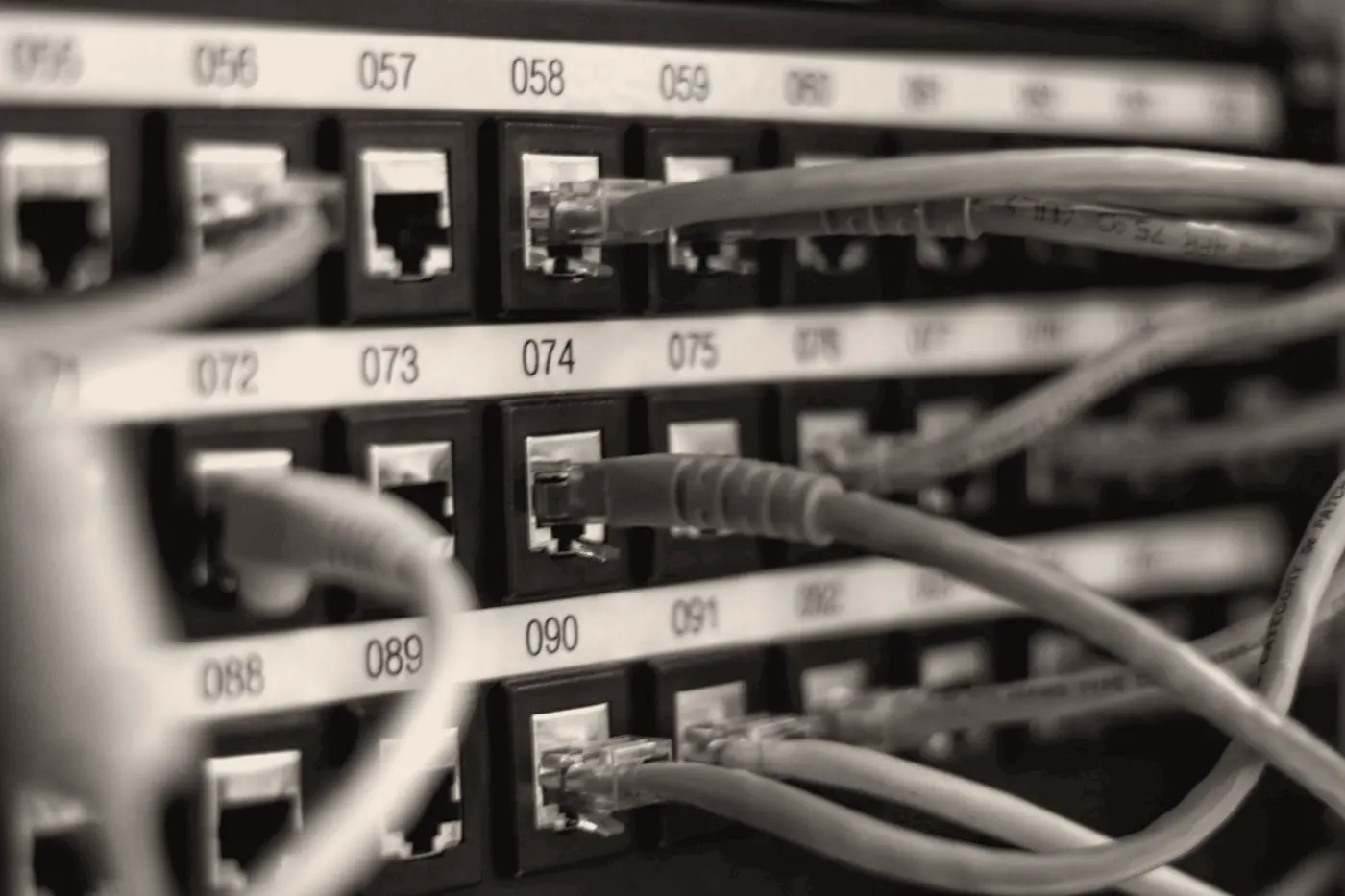
Connected and normalized log sources with documented coverage, and more below.
What is SIEM monitoring?
Security information and event management (SIEM) is the layer that collects logs from your servers, endpoints, firewalls, applications, identity systems, and cloud platforms, then correlates them against rules to surface suspicious patterns: impossible-travel sign-ins, brute-force attempts, privilege escalation, beaconing, and policy violations.
The hard truth about SIEM is that the technology alone is not the outcome. Untuned rules flood teams with false positives until alerts get ignored. Datasafe's SIEM monitoring service pairs the platform with the people: correlation rules tuned to your environment, dashboards your team can read, and analysts who review what fires, around the clock.
Who needs this
SIEM monitoring fits organizations with compliance obligations that require log retention and review (PDPA, Bank Negara Malaysia RMiT for financial institutions, ISO 27001 programs), and any business whose existing SIEM has become an expensive alert generator nobody watches.
Buyer pain points this solves
- A SIEM exists, but alert queues are noisy, untuned, or not watched after hours.
- Log sources are incomplete, making investigations and compliance evidence harder than they should be.
- The organization needs dashboards and reports that show monitoring work is actually happening.
What the service includes
Log collection
Agent-based and agentless collection from servers, endpoints, network devices, firewalls, Microsoft 365, and cloud platforms, including syslog sources.
Correlation rules
Detection rules tuned to your environment, with noisy rules suppressed and gaps documented.
Alerting and triage
Alerts stream into Abatis365 where analysts classify severity and escalate what matters.
Dashboards
Live views of alert volume, sources, top techniques, and incident status per tenant.
Compliance reporting
Scheduled reports that evidence monitoring and review for audits and regulator expectations.
How it is set up
- 1
Source inventory
We list the systems that must be logged, for security value and for compliance evidence.
- 2
Connect and normalize
Logs are collected, parsed, and normalized so events from different vendors correlate cleanly.
- 3
Rule tuning
Baseline noise is measured and suppressed; detections are tuned against your real traffic.
- 4
Operate
Analysts review alerts 24/7 and escalate per the agreed severity model.
- 5
Evidence
Retention, review, and response are documented in reports your auditors can use.
- Connected and normalized log sources with documented coverage
- Tuned correlation rule set with a noise baseline
- Live dashboards and scheduled compliance reports
- Escalation workflow with severity definitions
SIEM Monitoring Malaysia: common questions.
Is SIEM monitoring the same as a SOC?
No. SIEM is the technology that collects and correlates logs; a SOC is the team that watches it. Datasafe's service includes both, but if you are comparing options, our SOC vs SIEM guide explains the difference in detail.
Can you work with our existing SIEM?
In many cases yes: signals can be forwarded into Abatis365 for triage and incident workflow. During scoping we review what you run and recommend the simplest reliable path rather than a forced migration.
Which log sources matter most?
Identity (Active Directory, Entra ID), endpoint, firewall, email, and Microsoft 365 audit logs catch the majority of real attack paths. Servers, databases, and cloud control planes follow based on your risk profile and compliance scope.
Does this help with PDPA or RMiT compliance?
It supports the monitoring, logging, and incident-handling expectations in those frameworks by producing documented review and response evidence. Compliance ownership stays with your organization; Datasafe provides the operational layer and reports.
How long are logs retained?
Retention is configured per source and per customer based on your compliance needs and storage budget, and is documented during onboarding rather than assumed.
Start with the risk that matters now.
The form stays short on purpose. Datasafe qualifies the first call with your priority and timeline, then requests deeper details later.
Existing customer? Open the secure portal